Find Your Perfect Mattress with Our Guides

3 Piece Sectional With Chaise: A Buyer’s Guide

A lot of living rooms reach the same point. The sofa works, but only barely. One person gets the good corner seat, someone else drags in a dining chair, and the room never feels as comfortable as it should.
That's usually when a 3 piece sectional with chaise starts making sense. It gives a family one place to gather, stretch out, and stay a while. It also solves a layout problem that a sofa-and-loveseat mix often creates, especially in open rooms where you need seating to define the space without making it feel crowded.
Your Guide to the Ultimate Family Sofa
A family room should invite people in. Movie nights, afternoon naps, long talks after dinner, kids piled in with blankets. When the seating is wrong, the whole room feels off.
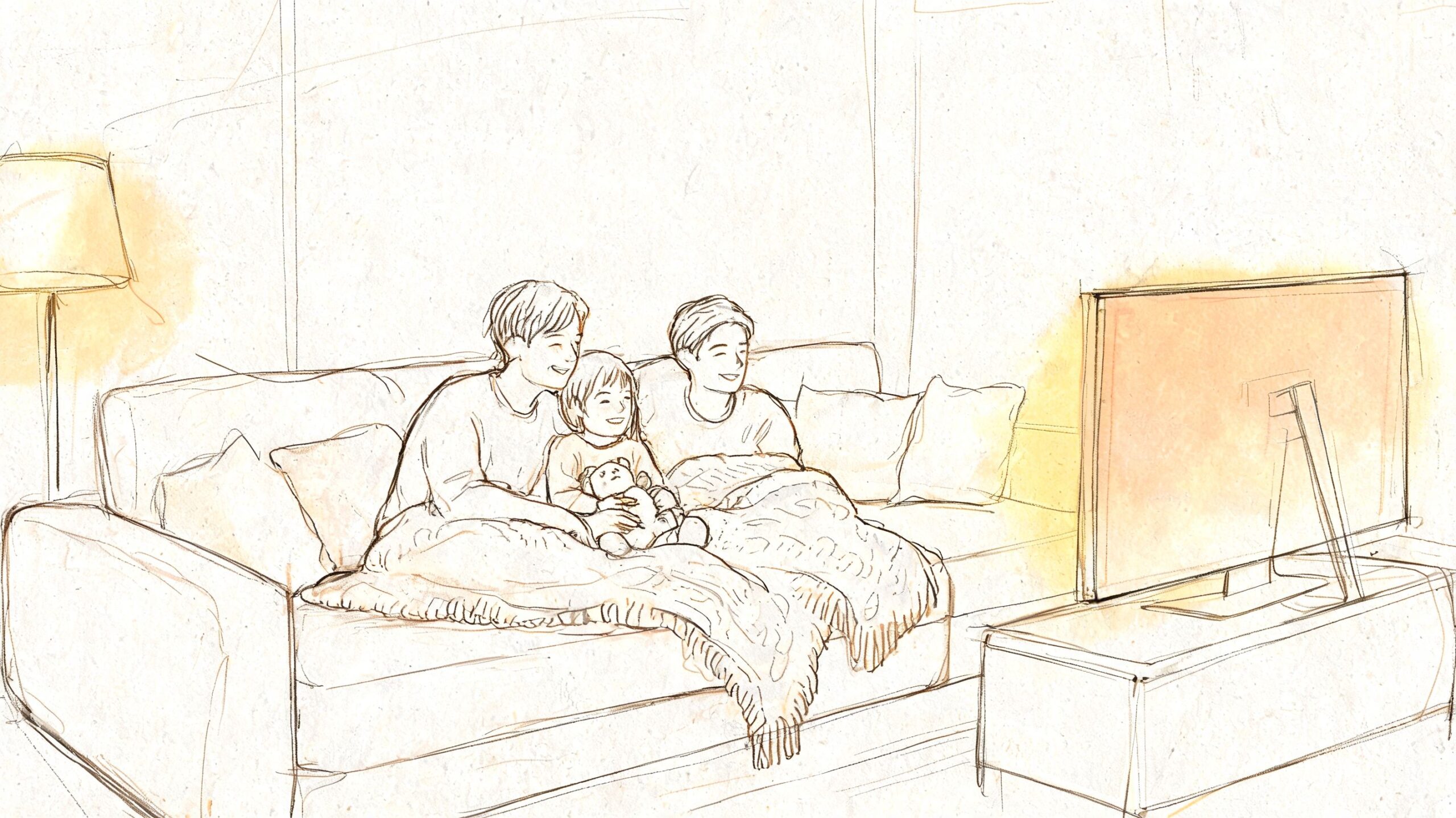
A 3 piece sectional with chaise tends to fix that because it creates one connected seating zone instead of several disconnected pieces. It's one reason this layout became so common in American homes. The configuration emerged as a dominant option in the U.S. during the mid-2010s, driven by open-concept living spaces, and millennial homebuyers represented 45% of first-time furniture purchasers in 2019, favoring versatile pieces for multi-functional rooms, according to Ashley Furniture's Edenfield sectional product background.
That trend makes sense from what we see in real homes. People want seating that can handle daily life without forcing the room into a stiff, formal setup. A chaise gives one side of the sectional a relaxed feel, while the rest of the piece still works for conversation and everyday seating.
Why this shape works so well
A good sectional does more than seat more people.
- It defines the room without needing multiple sofas and chairs.
- It supports different postures. Someone can sit upright while someone else stretches out on the chaise.
- It makes open layouts feel grounded instead of scattered.
A sectional usually works best when the room needs one central destination, not several smaller seating islands.
If you're still comparing shapes and sizes, this guide on how to choose a sectional sofa is a helpful next step before you commit to a specific layout.
The real goal
The goal isn't just to buy a big sofa. It's to build the part of the house where everyone naturally ends up.
That's why the best sectional choice comes down to fit, construction, and how your family lives. A beautiful piece that blocks traffic or wears out too quickly won't feel like a good decision for long.
What Exactly Is a 3 Piece Sectional With a Chaise
The name sounds simple, but shoppers get tripped up by sectional terminology all the time. Most mistakes happen before anyone sits down. They happen when the buyer doesn't understand what the three pieces are or how the orientation is labeled.
The three basic parts
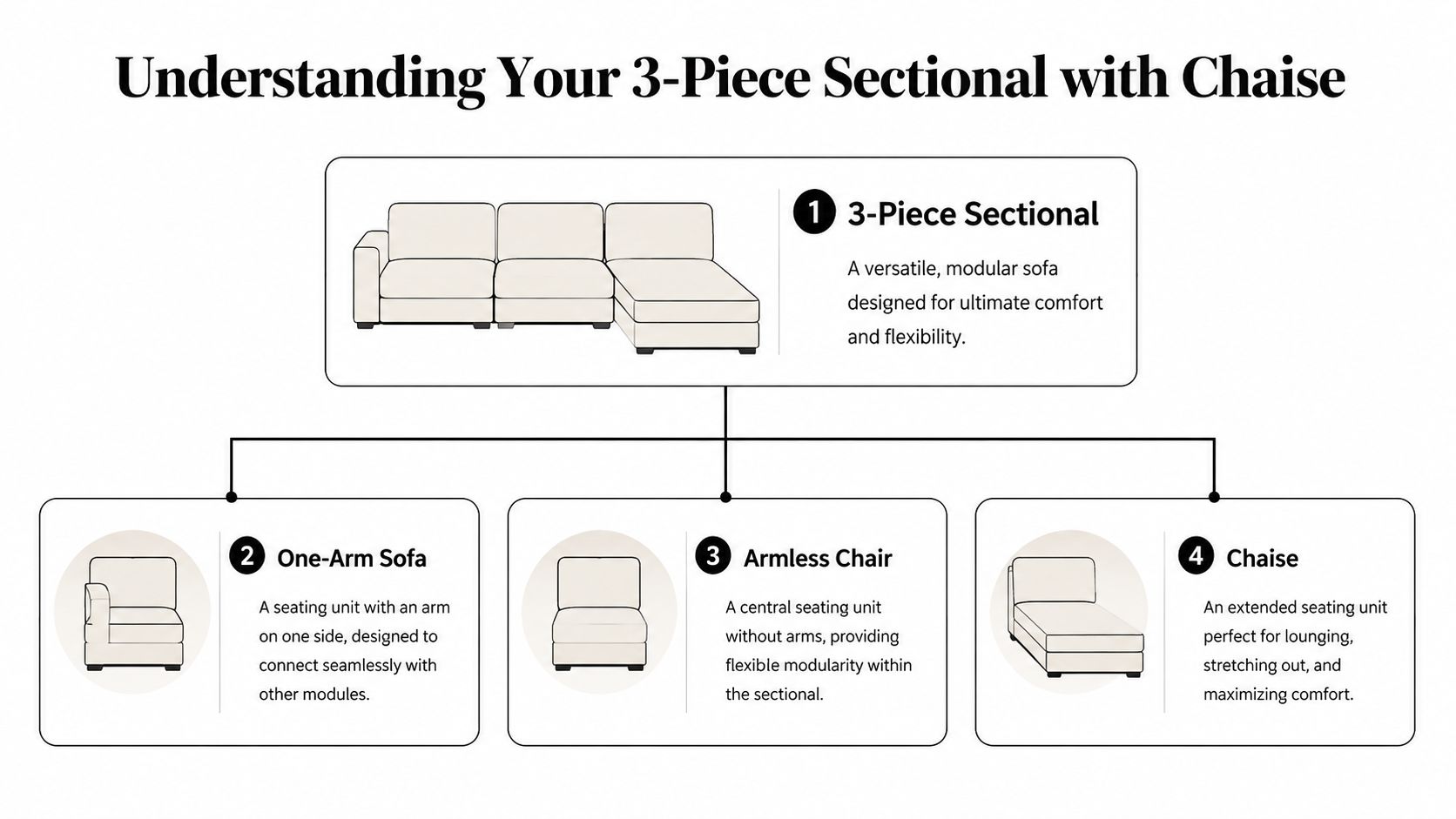
A typical 3 piece sectional with chaise is made up of three connected components:
One-arm sofa
This is the longer anchor piece. It has an arm on one side and connects to the center section on the other.Middle connecting piece
Depending on the model, this may be an armless loveseat, armless chair, or corner wedge. Its job is to bridge the main sofa and the chaise side.Chaise
This is the extended lounge portion that supports the legs and creates the relaxed end of the sectional.
Some manufacturer descriptions look more complicated than they are. A product may be listed as a left-arm facing sofa, armless loveseat, and right-arm facing corner chaise. Strip away the jargon and you're still looking at the same basic idea. Three pieces that join into one L-shaped seating arrangement.
What LAF and RAF mean
This is the part many online shoppers guess at, and guessing is risky.
LAF means Left-Arm Facing.
RAF means Right-Arm Facing.
That label refers to the side where the arm sits as you face the piece.
If you're standing in front of the sectional and looking at it, a left-arm facing piece has its arm on your left.
That matters because the chaise has to extend in the correct direction for your room. If the orientation is wrong, the sectional may block a walkway, crowd a fireplace, or push the room's focal point off balance.
What it is and what it isn't
A 3 piece sectional with chaise is usually a better fit for buyers who want a room-defining shape without stepping up to a very large U-shaped sectional. It's also different from a fully loose modular setup where every piece can move independently into several arrangements.
A simple way to look at it:
| Type | Best for | Watch for |
|---|---|---|
| 3 piece sectional with chaise | Main family room seating | Fixed orientation on many models |
| Traditional sofa and loveseat | More formal rooms | Can feel broken up |
| Fully modular sectional | Flexible spaces and movers | More planning needed up front |
The advantage of learning these terms is simple. You stop shopping by photo alone and start shopping by fit.
Measuring Your Room and Choosing Chaise Direction
The most expensive sectional mistake is buying with your eyes instead of your tape measure. A showroom piece may feel perfect, but if it crowds the room or can't make the turn through the hallway, comfort doesn't matter much.
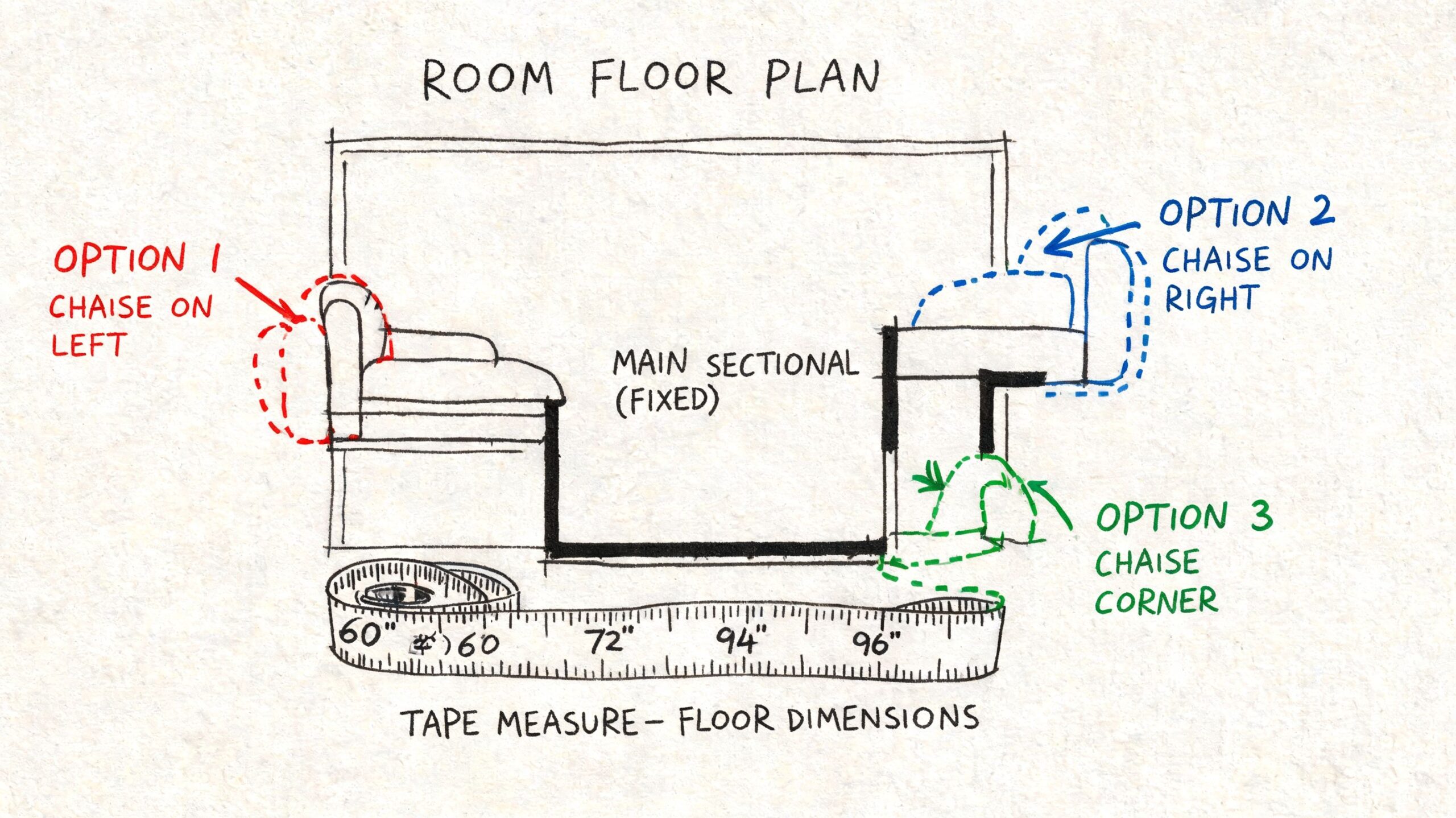
Measure the room first
Start with the full footprint of the room, but don't stop there. Buyers often record wall length and width, then forget the details that make a sectional work in daily life.
Measure these before you shop:
- Overall room dimensions so you know your true available footprint
- Doorways and hall openings to confirm delivery access
- Hallways and stairwells if the sectional has to pass through them
- Window placement so the chaise doesn't crowd drapery or block light
- Floor vents and outlets that need to stay accessible
A sectional shouldn't just fit inside the room. It should fit the room's traffic pattern.
Tape the layout on the floor
This step saves a lot of regret. Use painter's tape to mark the outside dimensions of the sectional, including the chaise extension. Then live with that outline for a day or two.
Walk around it. Sit in nearby chairs. Notice whether someone entering the room has to sidestep the chaise. Check whether the coffee table area still feels comfortable instead of tight.
Practical rule: If the chaise lands where people naturally cut across the room, the sectional will feel larger than its measurements suggest.
For a more detailed planning checklist, this guide on how to measure a room for furniture is worth reviewing before you place an order.
Choosing left or right chaise direction
Once you know the sectional size works, pick the orientation. This choice should come from how you move through the room, not from whichever product image looks nicer.
A left or right chaise usually works best based on these factors:
Entry path
Keep the long chaise side away from the room's main traffic lane whenever possible.Television or fireplace view
The chaise should support lounging toward the focal point, not away from it.Window exposure
If one side of the room has the better natural light or outside view, that can be the ideal chaise side.Conversation flow
The open side of the sectional should still let people enter and join the seating area comfortably.
Common layout mistakes
Some problems show up again and again in family rooms:
| Mistake | What happens |
|---|---|
| Buying for wall size only | The sectional fits the wall but chokes the walkway |
| Ignoring delivery path | The piece works on paper but is hard to bring inside |
| Choosing chaise side by photo | The room ends up visually backward |
| Oversizing the chaise | The room feels lounge-heavy and less balanced |
In smaller homes, a sectional needs to earn its footprint. In larger homes, it still needs to guide the room instead of floating awkwardly. Good measuring does both.
The Foundation of Furniture Built for Generations
The part you can't see is usually the part that decides whether you'll love your sectional five years from now. Fabric gets the attention. Color gets the excitement. The frame, foundation, and cushions determine whether the piece still feels solid after years of real use.
Start with the frame
For a chaise sectional, frame quality matters even more because one side carries an extended lounging load. That extra reach can expose weakness fast if the build isn't stable.
When evaluating sectionals, prioritize corner-blocked hardwood frames because they provide better stability for the chaise extension. Sectionals with high-quality platform foundations and resilient foam cushions have a 40 to 50% longer lifespan, with about 10 to 15 years versus 5 to 8 years, according to Old Brick Furniture's Landsings sectional product details.
That's a major difference in a room people use every day.
Why the foundation matters
Not all support systems wear the same way. A better platform foundation spreads weight more evenly across the seat. That helps the sectional hold its shape instead of forming favorite-seat dips too early.
A buyer doesn't need to memorize every furniture construction term, but it helps to know what to check:
- Corner-blocked frame construction for strength where sections join
- Stable foundation support that keeps seats from sagging
- Resilient foam cushions that recover after repeated use
- Secure connection hardware so the sectional pieces stay aligned
If a sectional feels loose, bouncy, or uneven on the chaise side in the showroom, it usually won't improve at home.
What holds up and what disappoints
The gap between “looks good” and “built well” gets wide in upholstered furniture. Some sectionals photograph beautifully and still feel tired too soon. Others cost more up front but stay supportive through years of family use.
Here's the trade-off in plain terms:
| Better long-term choice | Common weak point |
|---|---|
| Hardwood frame | Lightweight frame materials that flex |
| Supportive platform foundation | Seat systems that develop uneven dips |
| Quality foam cushioning | Cushions that lose shape quickly |
| Well-built chaise base | Chaise end that wobbles or shifts |
For shoppers trying to balance budget and longevity, this guide on how long furniture should last can help frame the purchase as an investment rather than just a style decision.
A sectional is often the hardest-working piece in the house. That's why the invisible construction deserves just as much attention as the fabric swatch.
Creating Your Perfect Sectional with Custom Options
A sectional should fit your room, but it should also fit your household. That's where customization matters. The right shape solves the layout. The right upholstery and details decide whether you'll still enjoy living with it every day.
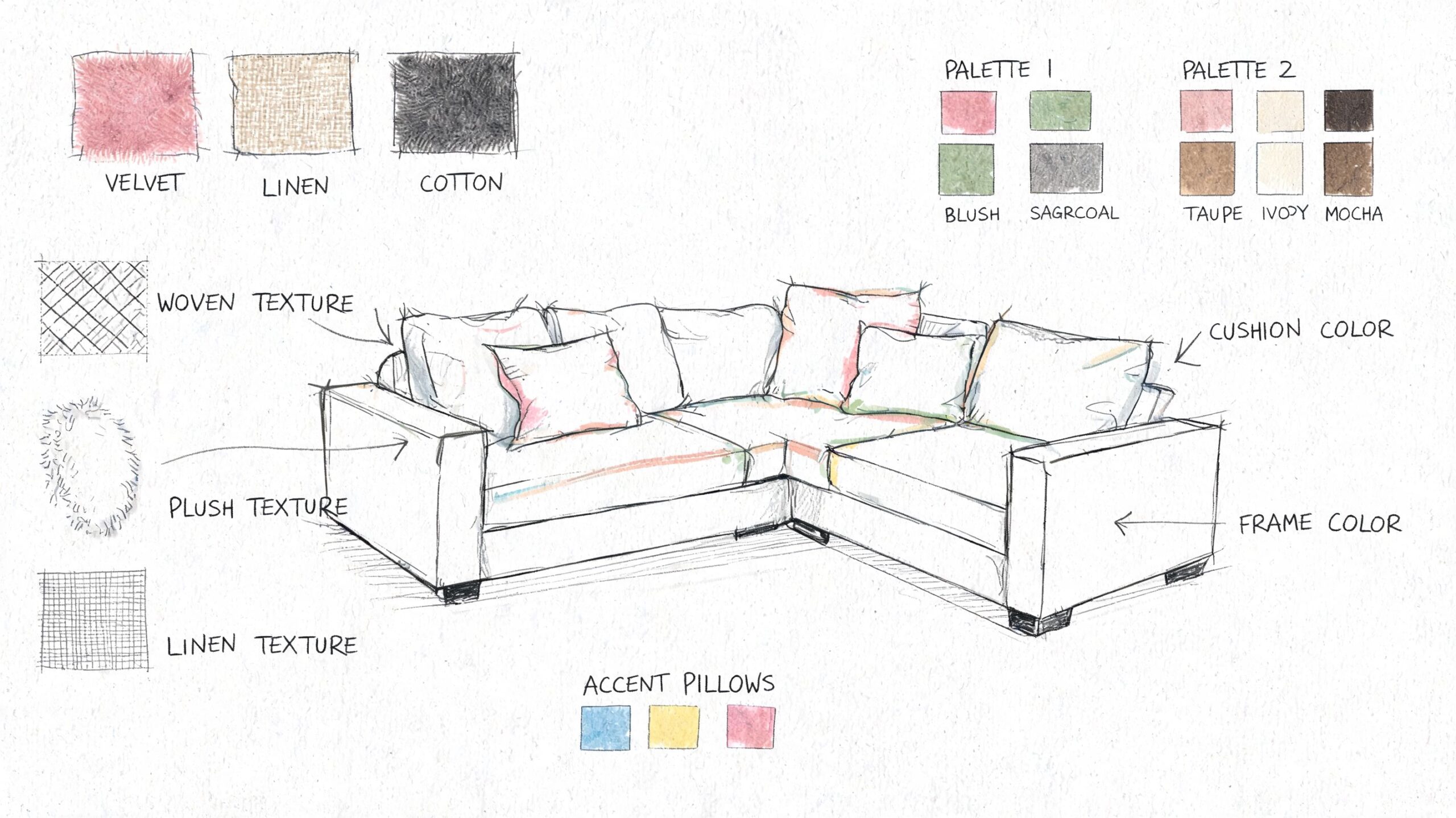
Fabric choices that work in real homes
Shoppers often start by choosing a color. A better approach is to start with lifestyle, then narrow down color and texture.
Polyester remains a practical upholstery choice for busy homes. It offers 50,000+ double rubs of abrasion resistance and resists pilling 2x longer than cotton blends in high-traffic settings, according to Macy's Radley sectional specifications. That kind of performance matters when the sectional is used for homework, pets, movie nights, and guests.
At La-Z-Boy studios, 70% of customers opt for chaise extensions for relaxation, which also tells you something important about how people use sectionals. They want one piece that encourages lounging, not just upright sitting.
How to choose upholstery by household
Different homes need different priorities.
For kids and pets
Look for durable woven fabrics, forgiving color blends, and textures that don't show every mark.For a more refined look
Smooth, tightly upholstered fabrics keep the silhouette cleaner and more formal.For leather shoppers
Leather can bring depth and character, but the feel and look change with use. That's a feature for some buyers and a drawback for others.For humid Southern homes
Breathable fabric feel and cushion construction matter. Comfort isn't just about softness. It's also about how the sectional sits day after day.
Details that change the whole look
Arm style, leg finish, and cushion profile can push the same sectional toward very different design directions. Track arms usually read cleaner and more current. Softer rolled shapes lean more traditional. Loose back cushions feel casual. Tighter backs look more structured.
The sectional you keep longest is usually the one that matches both your floor plan and your habits.
It is true customization that reflects your home, not a mass-produced catalog that makes a real difference. Buyers comparing standard floor models with custom programs often realize that fabric, leg finish, and configuration tweaks can make the room feel much more intentional.
For shoppers who want to explore layouts and upholstery combinations, building your own sectional sofa is a useful place to compare options before stepping into a showroom. Brands such as La-Z-Boy and Bassett also make this process more flexible, and Watts Furniture & Mattress offers access to custom fabrics, leathers, and in-store design guidance for those comparing made-to-order living room sectionals.
Styling and Placing Your New Sectional
Once the sectional is in the room, placement and styling decide whether it feels polished or oversized. A strong sectional can still look awkward if the rug is too small, the table is too bulky, or the room leaves the chaise visually stranded.
Anchor the seating area
The sectional needs something under it or around it to define the zone. In most living rooms, that means an area rug and a table with the right scale.
Use these placement habits:
- Choose a rug that supports the sectional footprint so the room feels connected rather than pieced together.
- Pick a coffee table or ottoman that respects the chaise reach. If it's too large, movement gets tight.
- Keep side access in mind. The chaise should feel like an invitation to lounge, not an obstacle course.
A sectional already has visual weight. The accessories around it should balance that weight, not compete with it.
Use softness to break up the shape
Most 3 piece sectionals create strong lines. Pillows, throws, and accent texture keep the room from feeling too rigid.
Try mixing:
| Element | What it adds |
|---|---|
| Throw pillows | Color and support |
| Blankets | Warmth and a lived-in feel |
| Round accent table | A softer contrast to the sectional angles |
| Textured rug | Depth without clutter |
Smaller homes need flexibility
Not every buyer has a large family room. Some are furnishing an apartment, a first home, or a multi-use den where the sectional has to work harder.
That's why modular interest keeps rising. A recent Houzz report noted a 42% surge in searches for modular "3 piece sectional with chaise", and emerging hybrid modular designs allow multiple layouts, reducing buyer's remorse by 30%, according to Shop Rooms For Less product trend notes.
For buyers in smaller spaces, that means one thing. Reconfigurability is worth asking about before you order.
If you want help visualizing furniture placement, this guide on placing furniture in a living room covers the basics that make a sectional feel intentional instead of crowded.
The Watts Hometown Advantage From Start to Finish
A sectional purchase goes more smoothly when you have help before, during, and after delivery. That matters even more with a larger piece that affects room layout, fabric choice, delivery access, and long-term comfort.
The local advantage starts with guidance. At the Interior Design Center, shoppers can use complimentary in-store advice for help with fabrics, colors, and finish coordination. For more involved projects, the Premium Design Service handles space planning and mood boards, and the deposit is credited toward the furniture purchase.
That removes a lot of the guesswork of online shopping. Instead of hoping the sectional works, you can make decisions with a real plan.
A few practical benefits also matter:
- White-glove delivery and setup means the sectional is placed properly in the room instead of dropped at the door.
- 0% APR financing helps buyers spread out the investment on quality furniture.
- Service Request and Support Hub gives customers a local point of contact after the sale.
- Customization access through lines such as La-Z-Boy, Bassett, and Kincaid makes it easier to furnish for the long term.
This is especially useful for families in LaGrange, Troup County, West Point, Pine Mountain, and Hogansville who want American-made furniture, design help, and a smoother purchase process from start to finish.
If you're shopping for a 3 piece sectional with chaise, need help with custom furniture, or want guidance from a trusted furniture store LaGrange GA families have relied on for decades, visit Watts Furniture & Mattress. Ready to transform your space? Book a consultation with the Interior Design Center today and let the team help you curate a home you'll love. Visit the showroom at 212 Commerce Avenue in LaGrange to experience the comfort of La-Z-Boy in person.